The Wealth Advisory Tastemakers
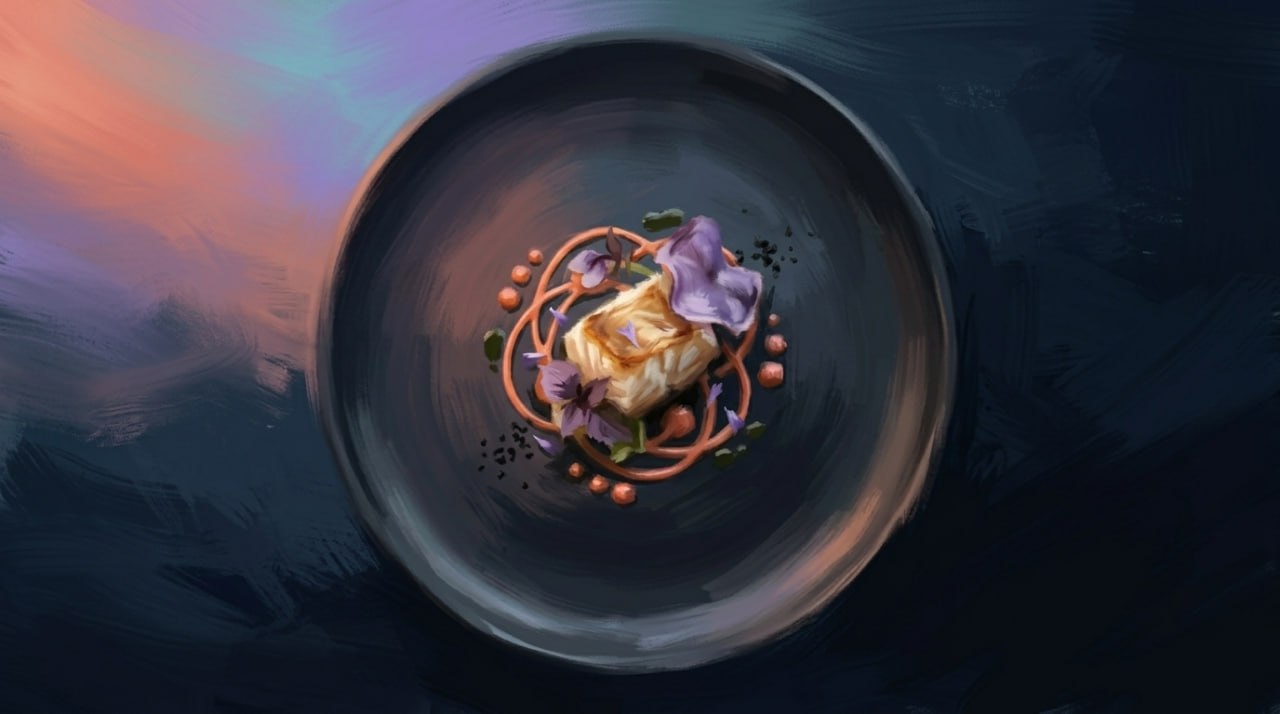
Nobody walks into a great restaurant and asks to see the raw ingredients.
You don't sit down at a tasting menu and say, "Actually, can I just browse the walk-in cooler and figure it out myself?" You came because someone whose palate you trust has already done the thinking. The head chef has spent years building judgment about what works, what pairs, what a moment calls for. They have opinions. They have a point of view. And the thing you are paying for is not access to the kitchen. It is the finished plate.
The presentation matters. The curation matters. The fact that someone with deep experience made a hundred small decisions before the dish reached you? That is the product.
I keep coming back to this analogy because I think it captures something most people in tech are getting wrong about AI and the future of work.
The chatbox and the blinking cursor
Right now, the dominant vision for AI at work looks like a chatbox. A blank prompt. An open field. You type something in, and maybe you get something useful back. Maybe you don't. It depends on whether you knew the right question to ask, whether you understood the problem well enough to frame it, whether you had the vocabulary to describe what you actually needed.
That is the equivalent of handing someone a key to the walk-in cooler and saying, "Good luck. Everything you need is in there somewhere."
For the seasoned chef, that is fine. They know what they are looking for. But for most people, standing in front of infinite ingredients with no plan, no training, and no palate is not empowering. It is paralyzing.
The chatbox puts the burden of judgment on the person who has the least of it. That is backwards.
Applications are finished plates
The difference between a chatbox and a real application is the difference between a pile of ingredients and a finished meal.
A well-built application embeds judgment. Someone with deep domain expertise has already thought about what matters, what the user actually needs to see, what tradeoffs exist, what sequence of decisions leads to a good outcome. The thinking is baked into the experience. The user does not need to know what to ask for because the application already understands the shape of the problem.
That is what a great chef does. They do not hand you a list of every possible flavor combination. They give you something they have already thought through, refined, and believe in. The value is in the curation. The editorial choices. The taste.
Tastemaking is the new skill
Here is what I think most people are missing about where work is headed.
The future of work is not "everyone gets an AI assistant and figures it out." The future of work is tastemaking. The people who thrive will be the ones who develop a palate. The ones who can look at a sea of AI-generated possibilities and know which ones are good. The ones who can take raw capability and shape it into something that actually serves a human being on the other end.
That is not a technical skill. It is judgment. Discernment. Pattern recognition built through years of reps.
And that brings me to financial advisors.
Financial advisors as the new tastemakers
Think about what a great financial advisor actually does. A client does not come in wanting a Monte Carlo simulation. They do not want a 47-page financial plan PDF. They want someone to look at their life, understand what matters to them, weigh the tradeoffs they cannot see, and say: here is what I would do, and here is why.
That is tastemaking. That is the chef plating the dish.
The advisor's value was never information. Clients can Google tax brackets. They can read about Roth conversions. The information is all in the walk-in cooler, available to anyone. But knowing what to do with it, for this specific person, in this specific moment, with these specific constraints? That requires a palate. That requires judgment refined through thousands of client conversations, hundreds of market cycles, years of watching what actually works in real people's lives.
AI does not replace that. AI makes it more important.
Because as AI floods the world with more information, more analysis, more options, more generated plans, the bottleneck moves upstream. The scarce thing is no longer the ingredients. It is the chef. The person who can look at everything AI surfaces and know what actually matters for the client sitting across from them.
The real question for our industry
The firms that understand this will build tools that sharpen their advisors' palates. Tools that help them see tradeoffs more clearly, recognize patterns faster, develop judgment through better reps. Not tools that hand the client a chatbox and call it innovation.
Because clients are not paying for access to AI. They are paying for someone they trust to have already done the thinking.
The future of work is not automation. It is taste. And the best financial advisors have always known that.